Maca And Tribulus, Honestly: What The Evidence Actually Shows
Maca Root and Tribulus Terrestris are two of the most frequently used botanicals in men's vitality supplements, each with centuries of traditional use behind it.
Modern clinical evidence for the two differs meaningfully, and it is worth knowing which is which before setting your expectations.
Maca: modest evidence, mixed results
Maca is a cruciferous root grown at high altitude in Peru, eaten there as a food for centuries. A number of small clinical studies have looked at Maca and sexual desire specifically, with some showing modest improvements and others showing no significant effect. See the research summarised on PubMed.
The honest summary: Maca has a genuine, if modest, modern research base — more than most botanicals in this category, but not strong enough to describe as well established.
Tribulus: long tradition, inconsistent evidence
Tribulus Terrestris has an extensive history in traditional medicine across several cultures. Modern research, however, is considerably less consistent than Maca's. Some studies report positive effects on measures like libido; others find no meaningful difference from placebo, particularly for outcomes like testosterone level, which several trials have found Tribulus does not meaningfully change.
This is a common and important distinction in supplement marketing: a botanical can have genuine millennia of traditional use while having thin, inconsistent modern clinical support. Both things can be true at once, and it is worth knowing which one is doing the work in any specific product's claims.
Applying this to Horsewood
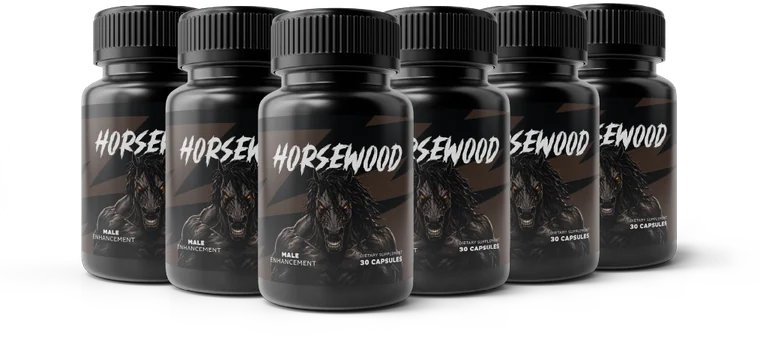
Horsewood includes both Maca and Tribulus among its six named ingredients. Maca is the stronger inclusion of the two by research standards; Tribulus rests more heavily on tradition. Neither should be expected to produce a dramatic or guaranteed effect on its own, and the manufacturer's own gradual-results framing reflects that reality more honestly than many competing products do.